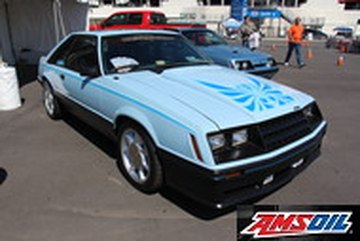
Maintaining Lubrication Standards for a 1981 Ford MUSTANG 2.3L
Proper engine maintenance is essential for preserving the mechanical integrity of a vehicle, especially as it matures. For owners of a 1981 Ford Mustang equipped with the 2.3L engine, consistent attention to lubrication and routine inspections can help manage the natural aging processes of automotive components. Effective maintenance involves more than just following a schedule; it requires an observant approach to how the vehicle operates and responds to service.Monitoring Fluid Integrity and Potential Seepage
A primary aspect of maintaining an older engine is the regular observation of fluid conditions. Over time, various seals and gaskets may undergo changes in their ability to maintain a perfect seal. Rather than assuming specific components will fail, it is more effective to perform periodic visual inspections for any signs of seepage or active leaks around the engine block and associated sealing surfaces. When conducting these checks, look for wetness or residue that might indicate a slow leak. It is also useful to monitor the appearance of the oil itself. While oil naturally darkens through use, significant changes in texture or an unusual odor can be indicators that the lubricant has been subjected to extreme conditions or has reached the end of its effective service life. If you notice any unexpected fluid loss, it warrants a closer investigation to identify the source and determine if a repair is necessary.Observing Operational Indicators
Beyond visual inspections of the engine bay, paying attention to how the vehicle behaves during operation provides critical information regarding its health. Changes in mechanical sounds or shifts in performance can often be early indicators that something requires attention. For example, unusual noises that occur specifically during startup or while the engine is idling may suggest that lubrication is not reaching certain areas as efficiently as it should. It is also important to remain vigilant regarding any warning indicators on the dashboard. If a warning light appears, it should never be ignored; such signals are designed to alert the operator to conditions that could lead to mechanical issues if left unaddressed. Because many different factors can trigger a single symptom, an unexpected observation should be treated as a prompt for professional diagnosis rather than a definitive confirmation of a specific part failure.Prioritizing Maintenance Based on Current Condition
As vehicles age, the strategy for maintenance often shifts from strictly following time-based intervals to a more condition-based approach. For a 1981 Ford Mustang, this means evaluating the actual state of the engine and its components rather than relying solely on the vehicle's age. If you have access to previous service records, reviewing them can help establish a baseline for what has been replaced or serviced in the past. If maintenance history is incomplete, your first priority should be to establish a clear understanding of the current state of the engine. This involves:- Verifying the current condition of all essential fluids.
- Inspecting accessible belts and hoses, if present, for signs of cracking, glazing, or deterioration.
- Checking electrical connections and wiring for any evidence of fraying or corrosion.
- Assessing the overall cleanliness of the engine area to better identify new leaks.
Managing Aging Engine Components
Maintaining an older vehicle requires a nuanced understanding of how materials change over decades. Rubber components, such as hoses or belts (if equipped), may lose their flexibility or develop surface cracks due to heat cycles and age. Similarly, electrical connectors can become brittle or develop oxidation that affects connectivity. When inspecting these items, look for physical signs of wear rather than assuming they are at the end of their life simply because of the vehicle's year. A hose that remains supple and shows no signs of bulging or cracking is likely still functional, whereas one that feels hard or shows visible damage should be closely monitored or replaced. This selective approach to maintenance helps avoid unnecessary part replacement while ensuring that critical components remain reliable.The Role of Consistent Lubrication Management
Effective lubrication management is a cornerstone of engine longevity. The lubricant in the engine performs several vital roles, including reducing friction between moving parts and assisting in heat dissipation. Over time, lubricants can lose their ability to maintain these properties due to thermal breakdown or contamination from combustion byproducts. Regularly replacing the oil and filter helps ensure that the engine continues to operate with a fresh supply of additives designed to control deposits and manage oxidation. For those managing an older 2.3L engine, maintaining clean lubrication pathways is one of the most effective ways to support the mechanical components throughout their service life.Practical Advice for BUYING ENGINE OIL for your 1981 Ford MUSTANG 2.3L
When it is time to replenish your engine's lubricant, the most important step is to ensure the product matches the specific requirements of your application. Do not rely on general automotive knowledge or assumptions based on the age of the Mustang to select a grade. Instead, match the engine oil to the application-specific viscosity information already displayed on this page. When you are ready to make a purchase, consider the following:- Verify the Label: Always check the product packaging to ensure the SAE viscosity matches the information provided in your vehicle's documentation.
- Evaluate Formulations: Depending on your specific needs and the current condition of your engine, you may choose between conventional, synthetic blend, or full synthetic oils. Some high-mileage oil formulations also contain additives intended for use in aging engines, including seal-conditioning additives.
- Check Certifications: Ensure the oil meets the appropriate API service classifications to provide the necessary level of protection and deposit control.